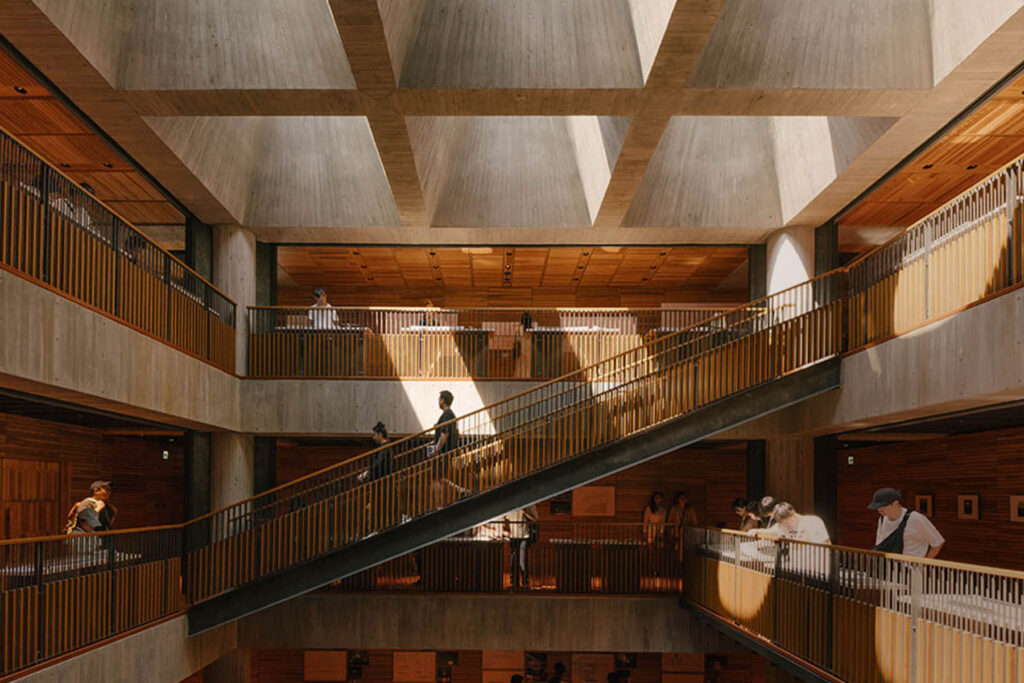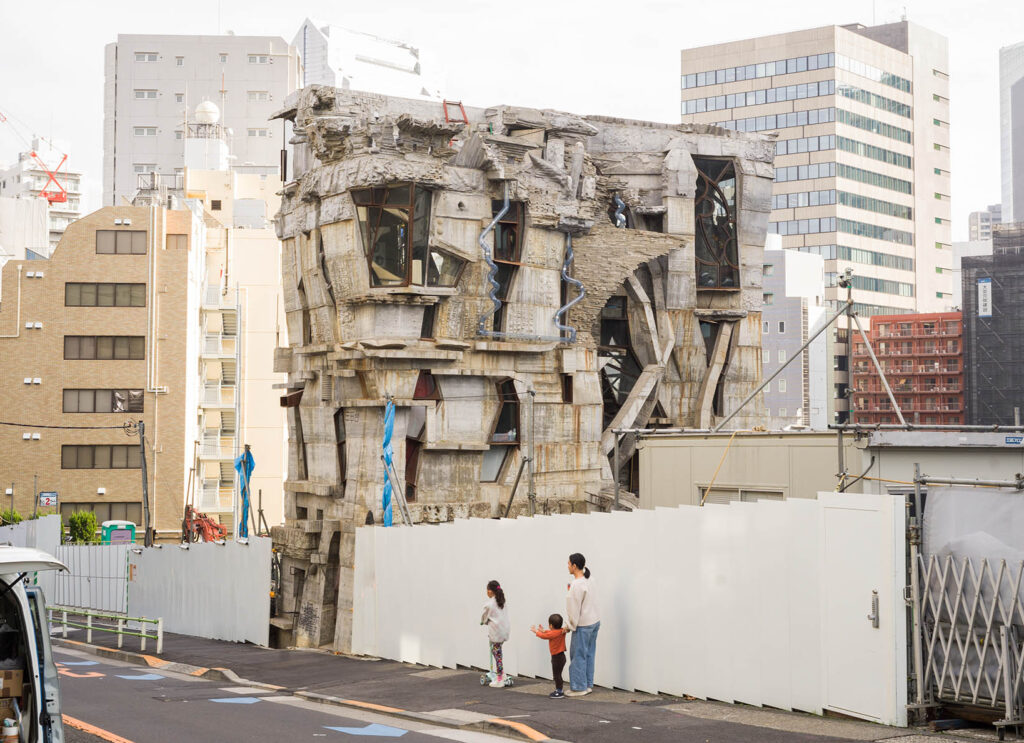

A Modernist Landmark Rooted in Nature
The architecture of the Kyoto International Conference Center (ICC Kyoto) stands as one of the most distinctive achievements in Japanese modernism. Designed by architect Takamasa Yoshizaka, the building merges geometric forms, brutalist materials, and a deep respect for the surrounding landscape. Since its completion in 1966, the center has earned global recognition not only for its striking design but also for its place in history, most famously as the site where the Kyoto Protocol was adopted.
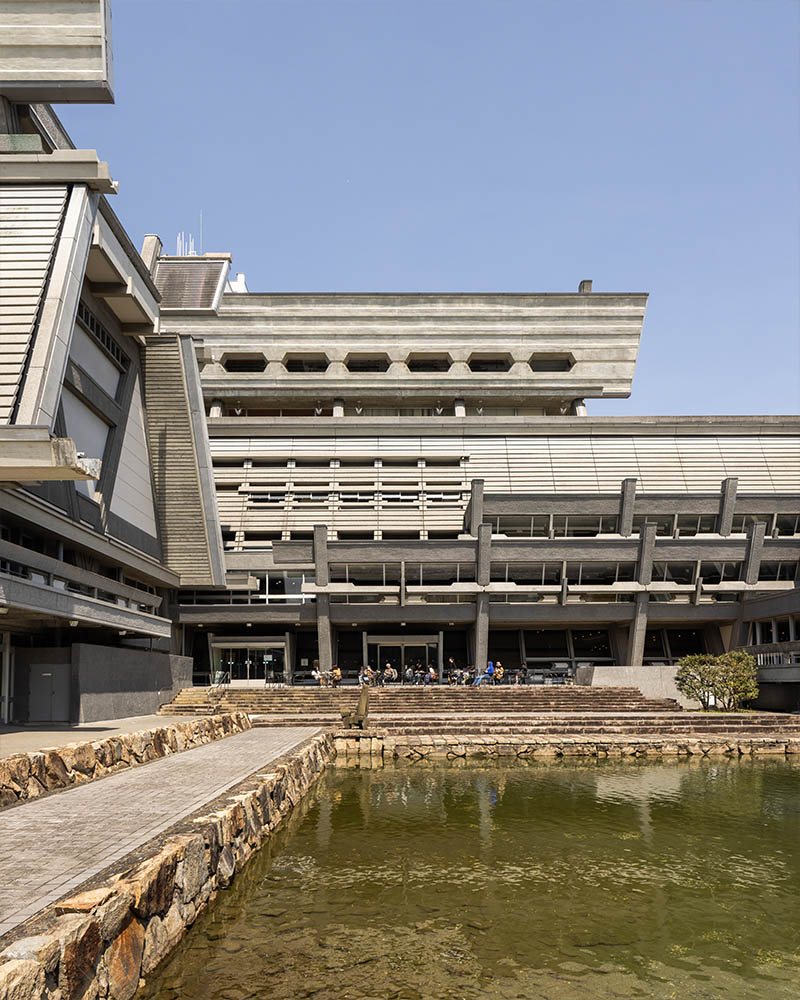
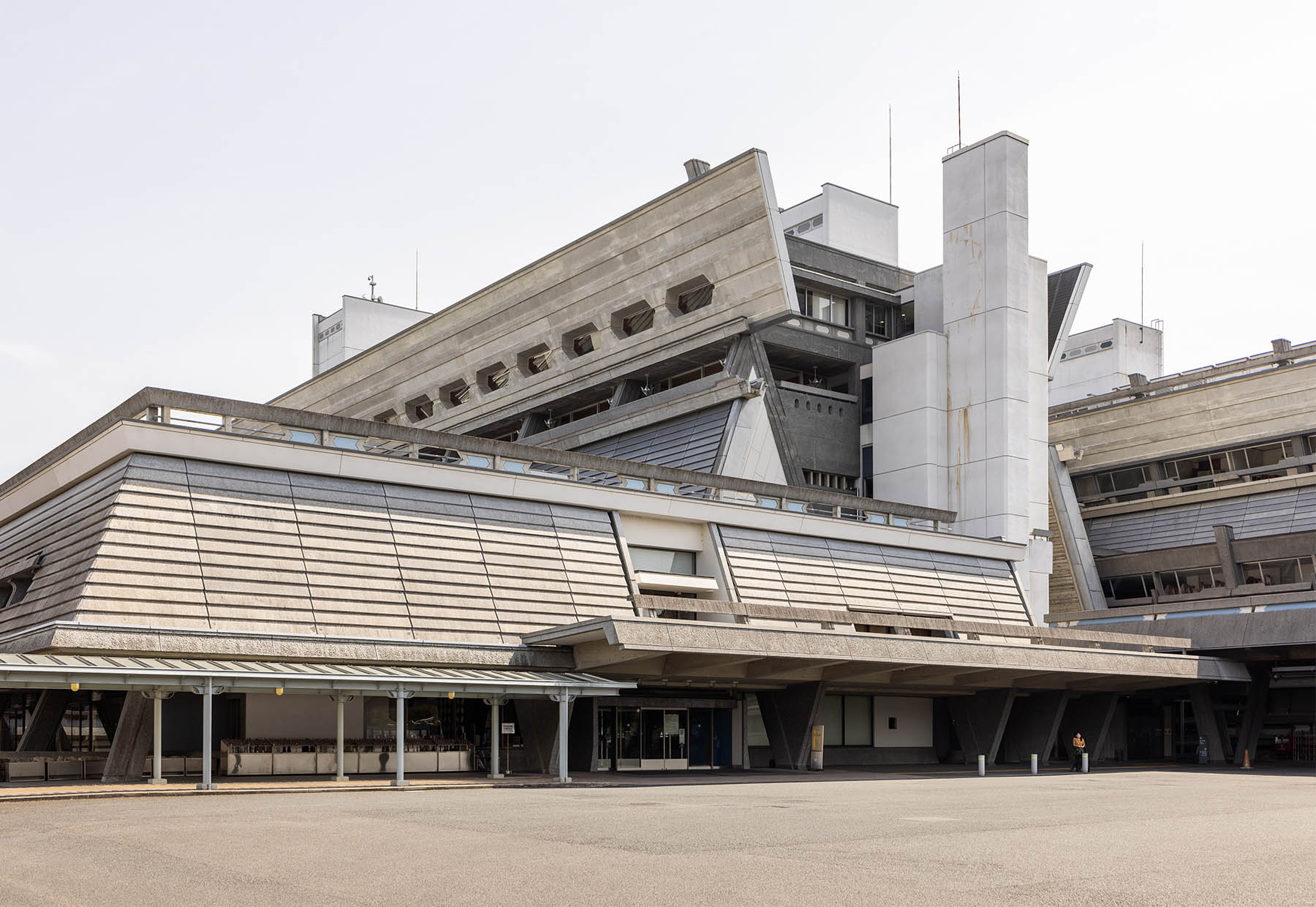
The ICC Kyoto was conceived as a conference facility that would harmonize with the serene environment of Lake Takaragaike. Instead of adopting Kyoto’s traditional wooden architectural style, Yoshizaka embraced a modernist vision that would complement the landscape rather than imitate its historical structures. The building’s long horizontal lines echo the calm surface of the nearby water, while its concrete forms create a distinctive contrast against the backdrop of lush greenery.
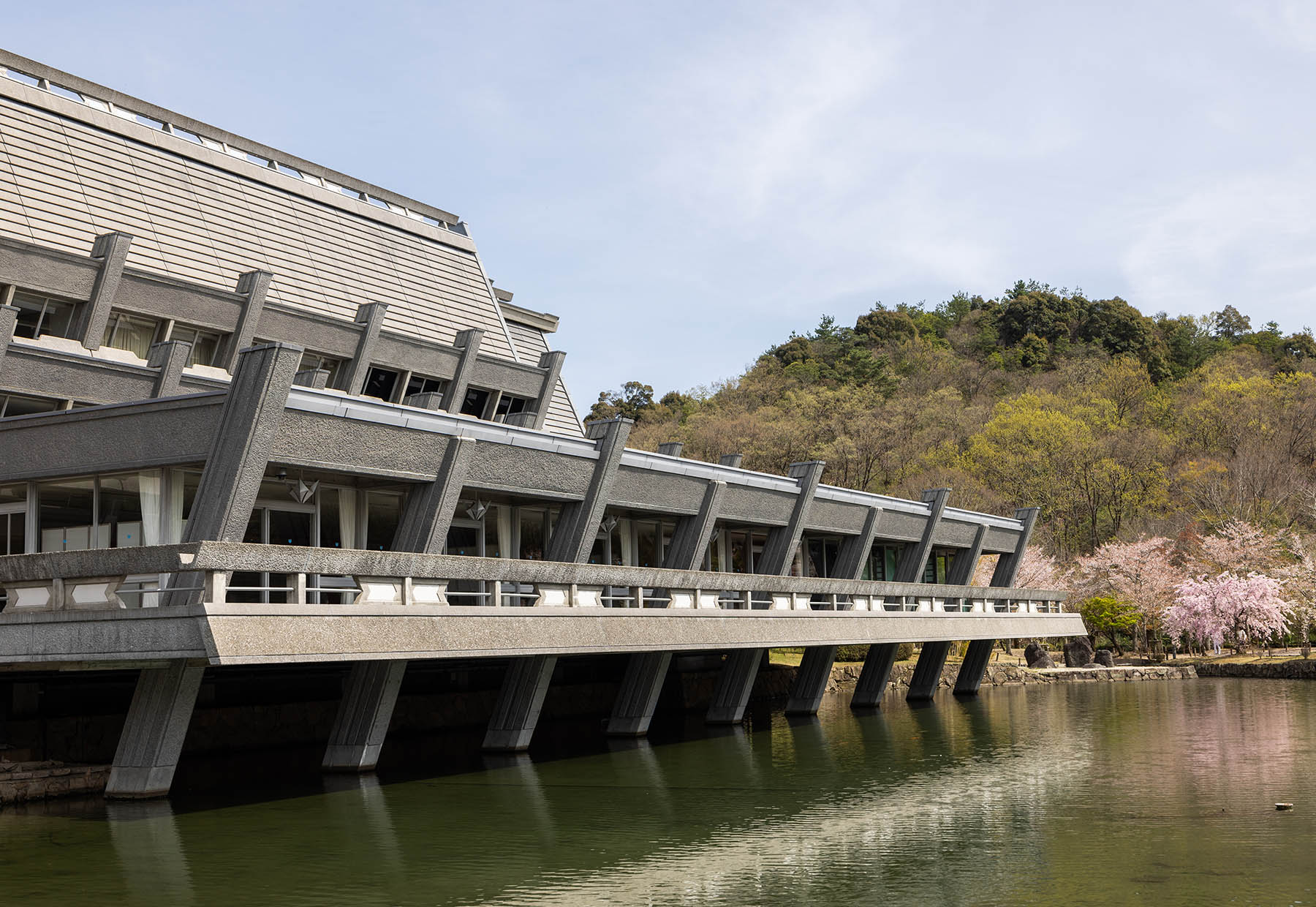
Light is invited into the structure through expansive glazed surfaces, while views of the lake and mountains become part of the interior experience. This relationship illustrates the Japanese principle of shakkei—borrowed scenery—where natural surroundings are intentionally integrated into the visual composition of the architecture.
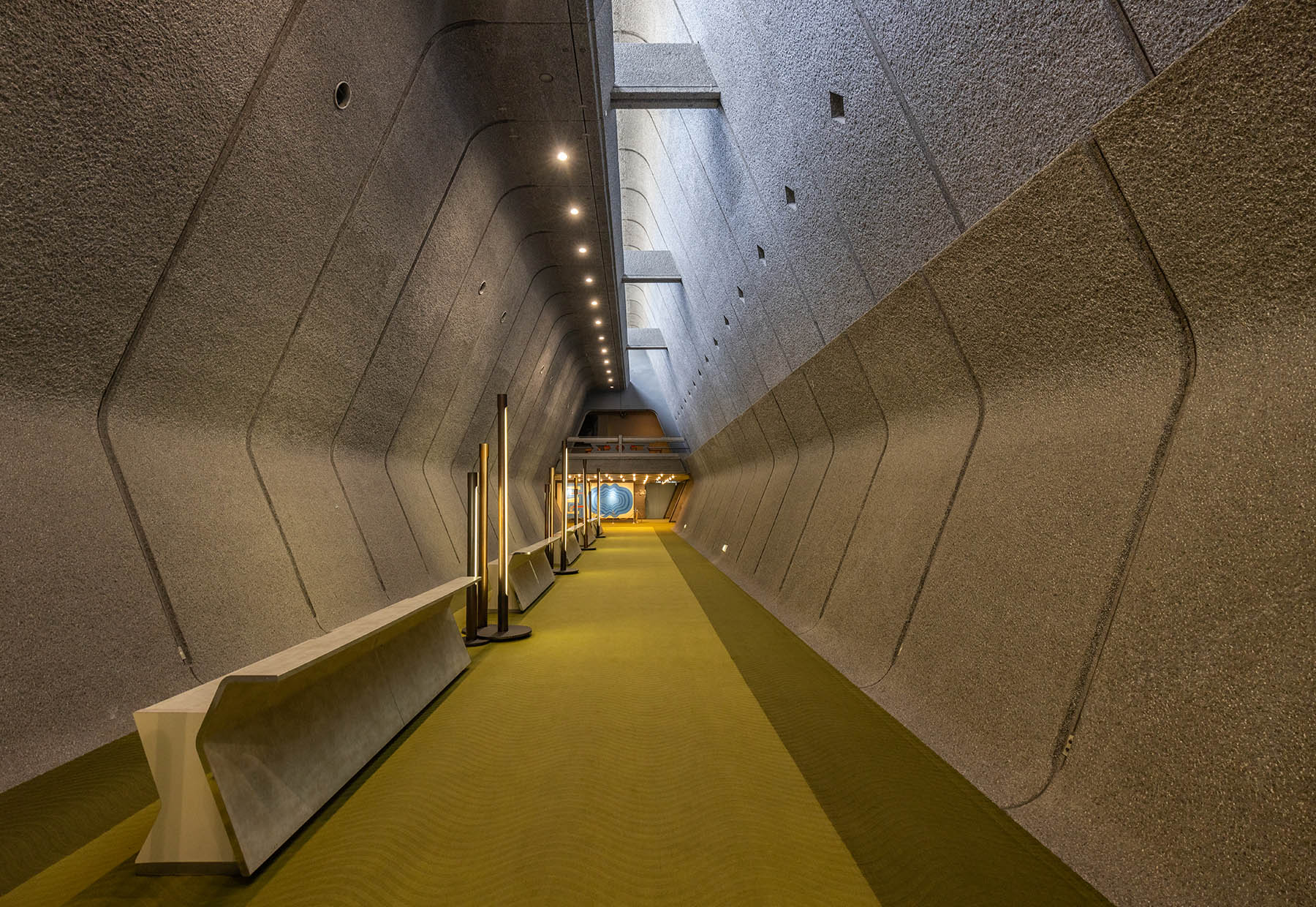
Concrete Geometries
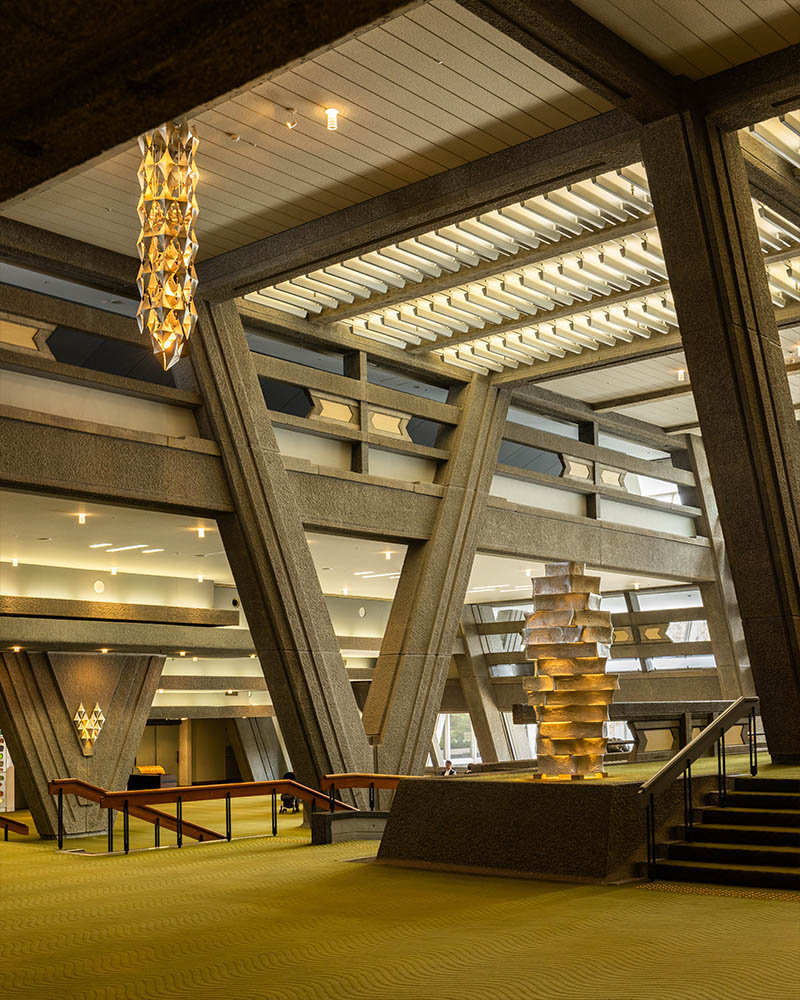
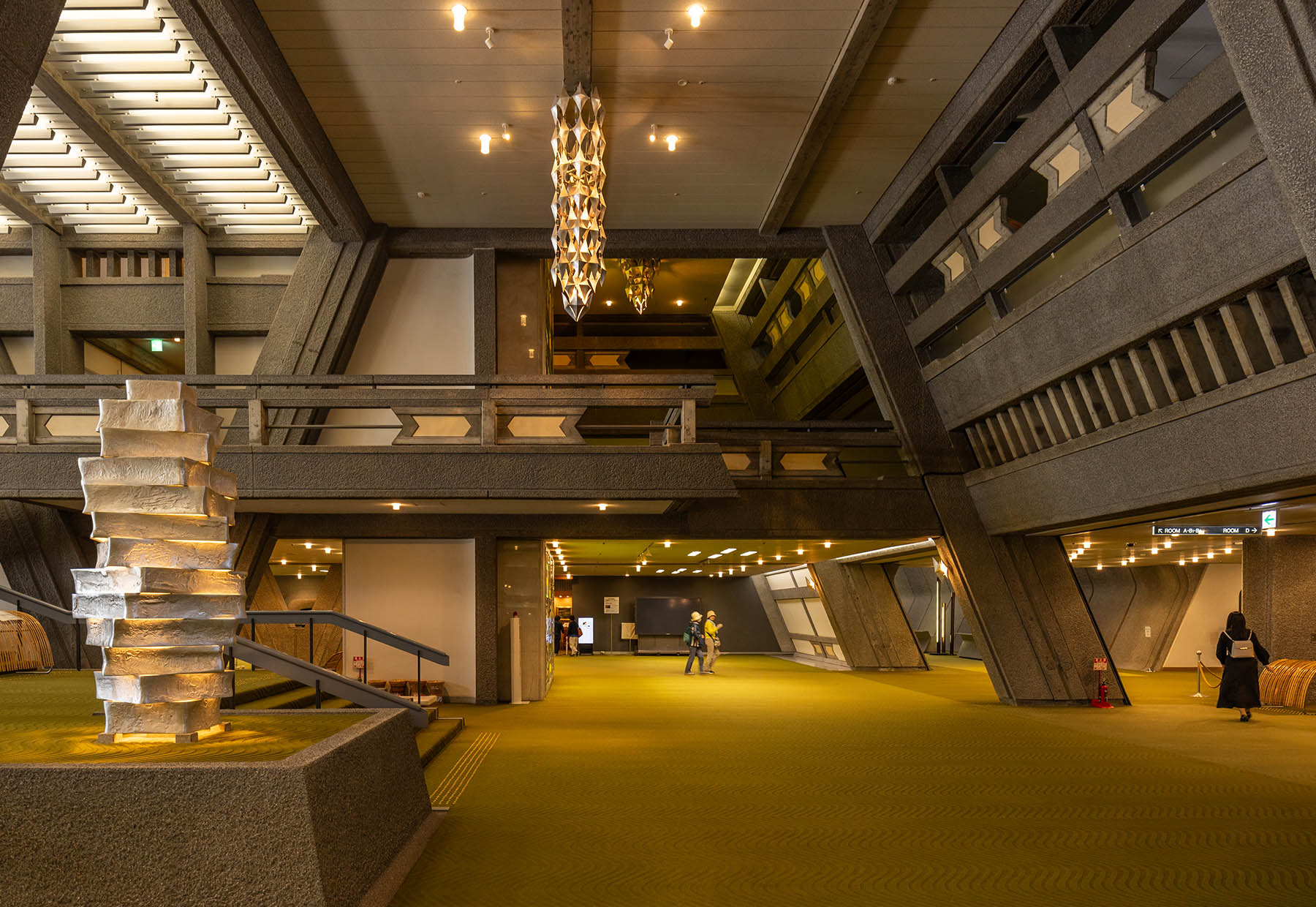
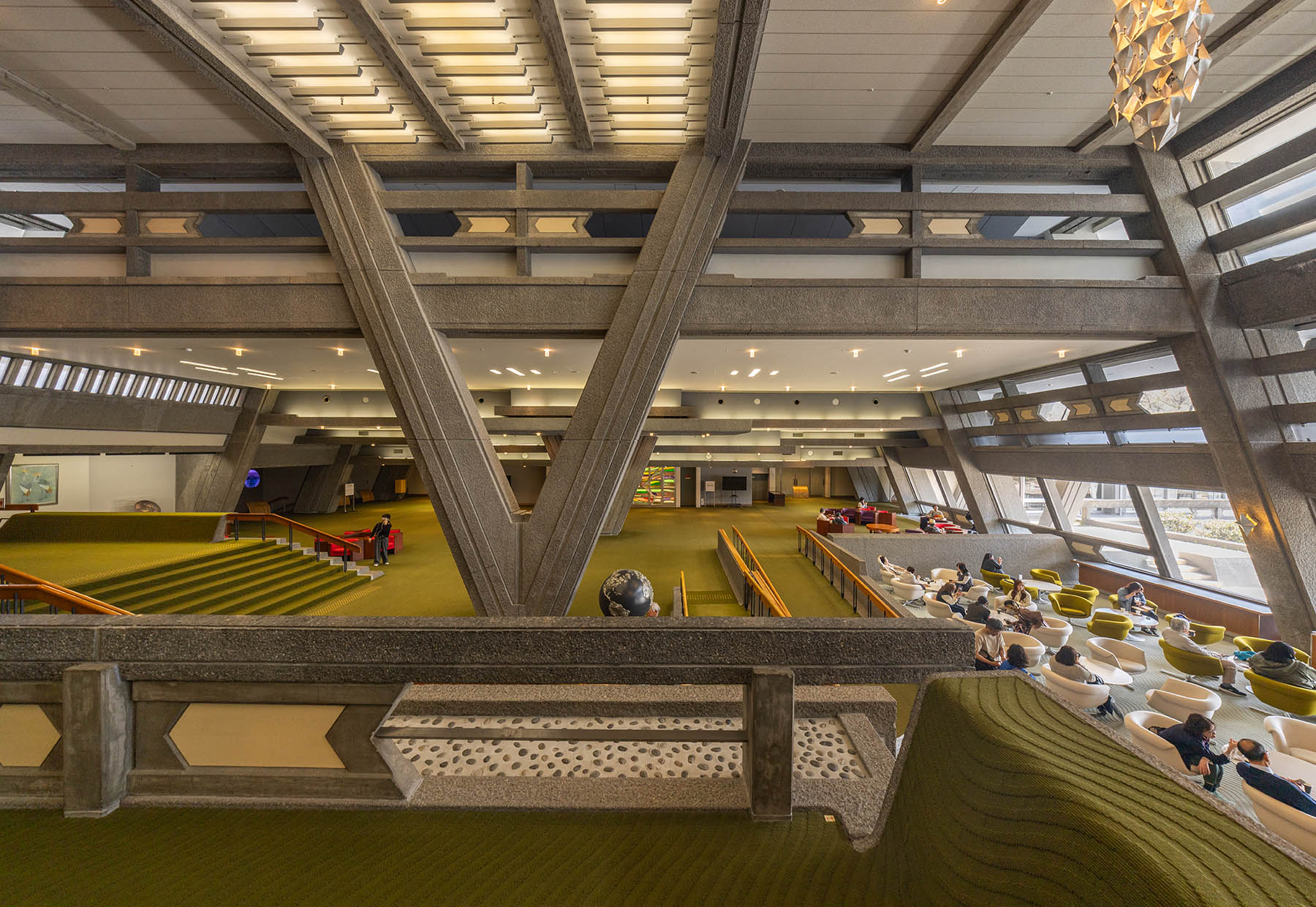
Walking through the interiors is an experience of geometric delight with triangular and hexagonal shapes motifs mirroring its exterior appearing both as structural elements and aesthetic motifs. These angular forms define the façades, ceilings, windows, hallways, and even the layout of interior spaces.
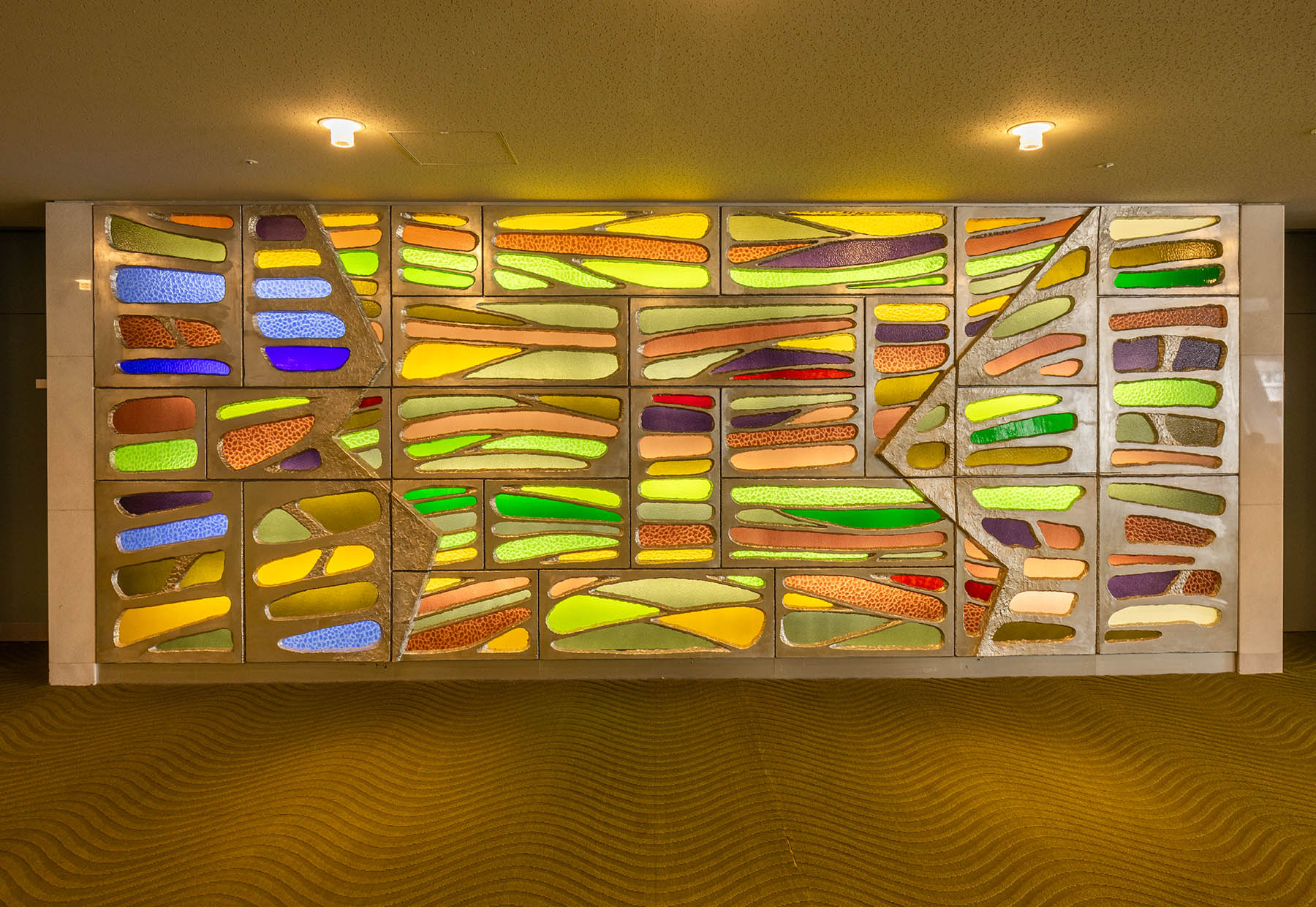
Various stained glass feature walls clad the walls and are illuminated from behind offering a gentle illumination to the space.
The architect Takamasa Yoshizaka (吉阪 隆正, 1917–1980) was a Japanese modernist architect, educator, and mountaineer known for combining global modernism with Japan’s humanistic traditions. A disciple of Le Corbusier, he played a pivotal role in shaping Japan’s postwar architectural identity through both practice and theory.
Open Days
The ICC Kyoto is only open to the public on specific “open days” which happen a few times a month. The dates are released a few months in advance and can be found on their website here. No booking is necessary and walk in on the day is possible. Only specific sections of the building on the ground floor are accessible during the open days. Private tours may be booked through their website on other dates to access restricted areas such as the main conference hall.
Location
Address:
Kyoto International Conference Center (ICC Kyoto)
422 Iwakura Osagicho, Sakyo Ward, Kyoto, 606-0001, Japan
Getting there & Access
The building is located around 20 minutes from central Kyoto via public transport. The nearby subway station at Kokusaikaikan offers the most convenient access which is only a few minutes walk from the grounds of the ICC Kyoto.
Project Details
Opened: 1966
Architect: Takamasa Yoshizaka
Architectural Style: Japanese Modernism / Brutalist
Photographs : © Finbarr Fallon (2025)