Nakagin Capsule Tower: Architecture, Design, and Legacy
The Nakagin Capsule Tower was a defining icon of the Metabolist architecture movement. Completed in 1972 and designed by Kisho Kurokawa, the tower envisioned modular, futuristic urban living. Although demolished in 2022, it remains a symbol of experimental Japanese architecture and micro-living innovation.
Kisho Kurokawa and the Metabolist Movement
Kisho Kurokawa was a pioneering Japanese architect and one of the leading figures of the Metabolist movement, which emerged in the 1960s. Metabolist architects imagined buildings and cities as dynamic, adaptable organisms. Kurokawa emphasized modularity, prefabrication, and flexibility, designing structures like the Nakagin Capsule Tower to respond to Tokyo’s dense, rapidly growing urban environment.
Modular Design and Capsule Concept
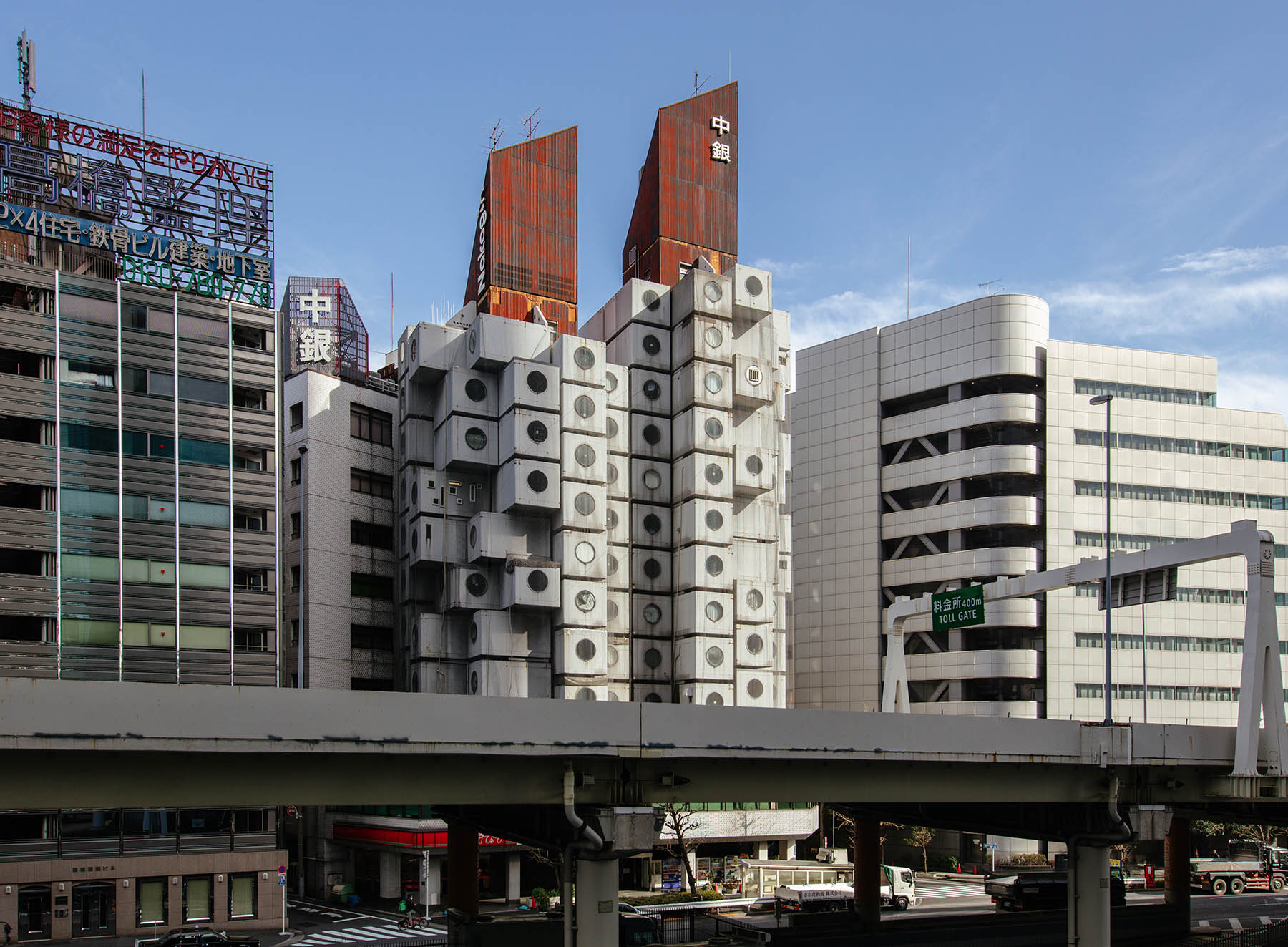
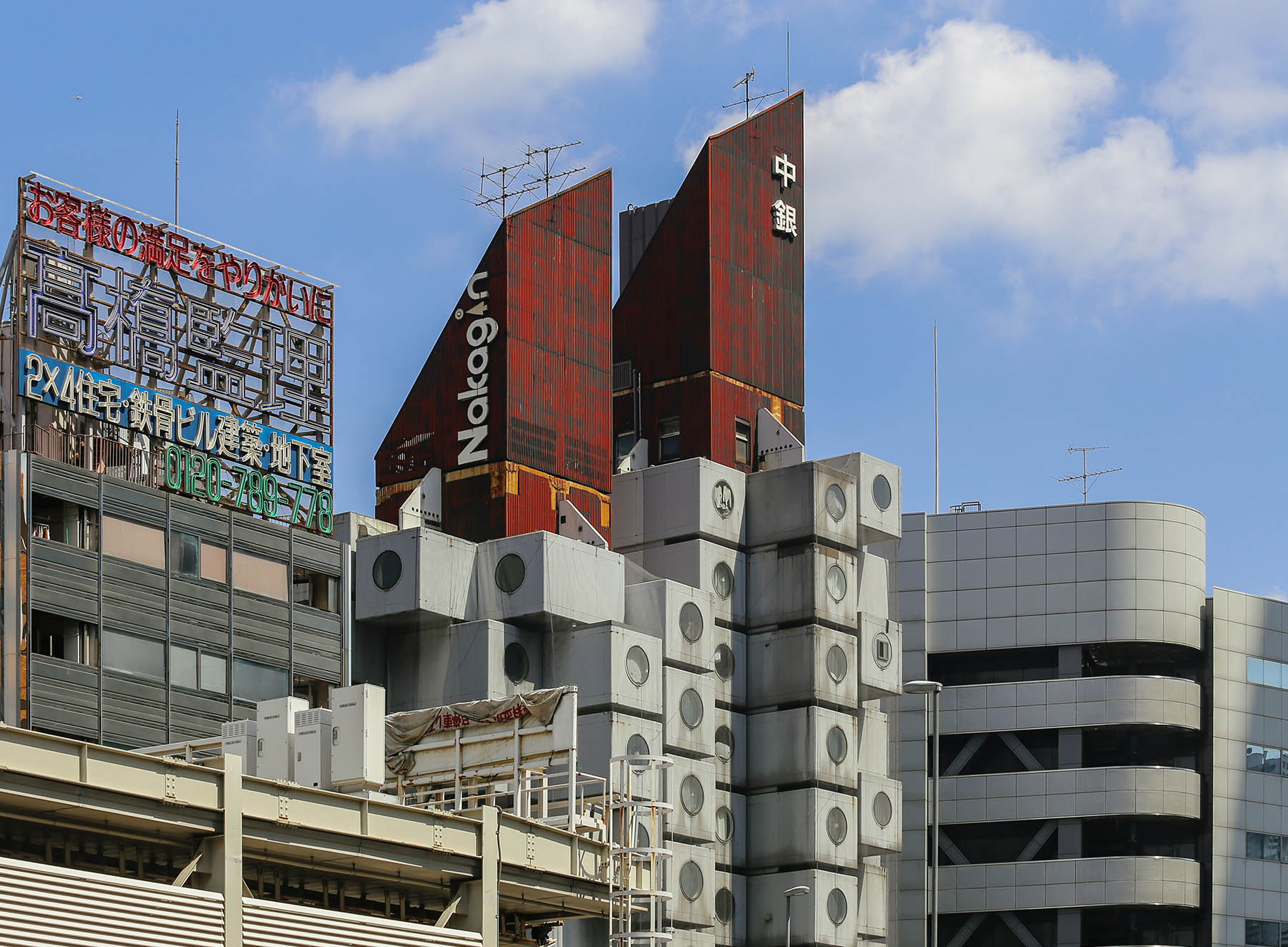
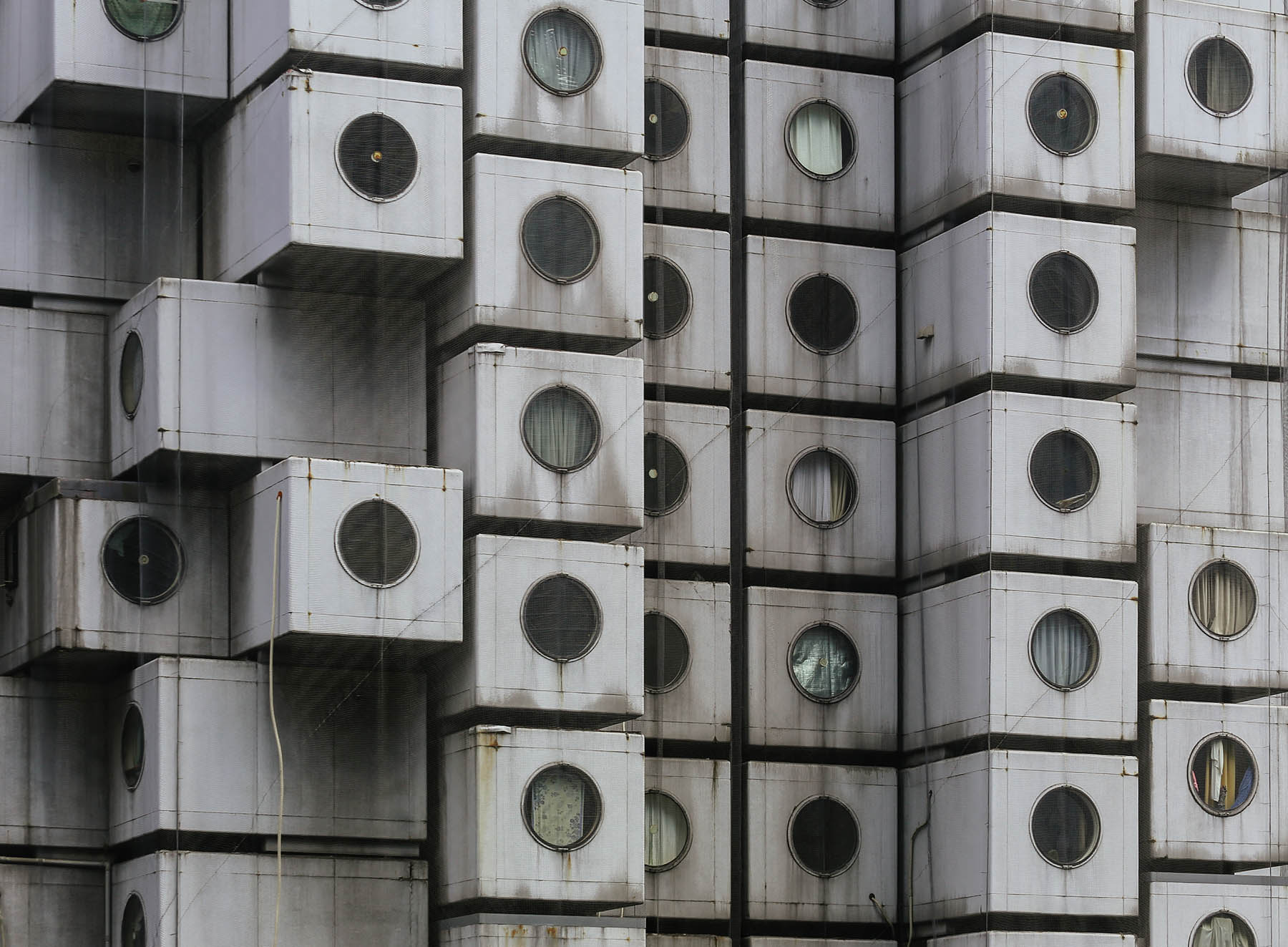
Nakagin Capsule Tower featured 140 prefabricated capsules, each 2.3 by 4 meters. Capsules were self-contained units with bathrooms, sleeping areas, and appliances. The capsules were designed to have the ability to be individually removed or replaced without altering the building’s structural concrete cores.
Single Occupancy Micro Dwellings
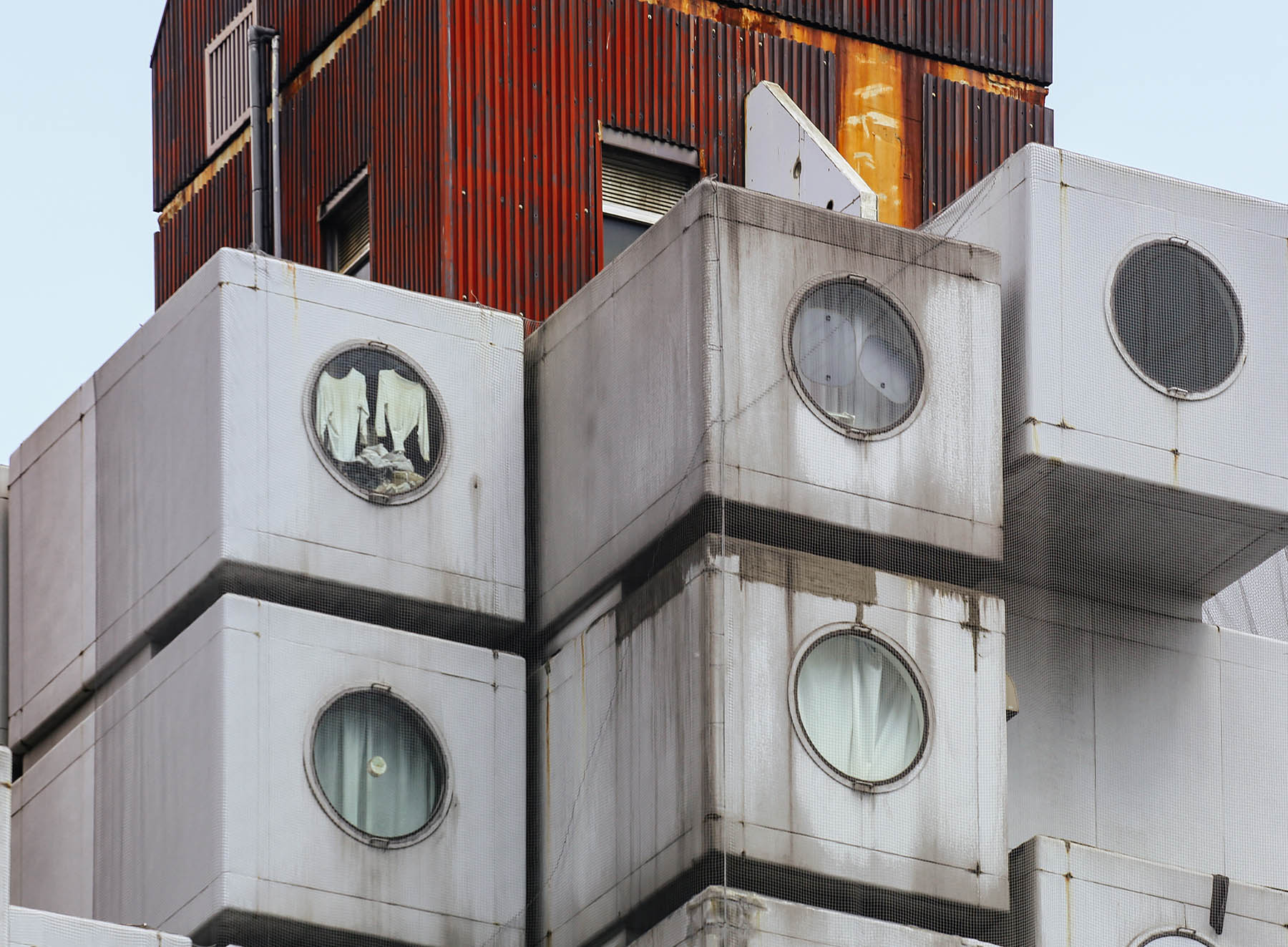
Living inside the Nakagin Capsule Tower meant inhabiting a compact, highly efficient space designed for single occupancy. Each capsule included a bed, small kitchen, bathroom, and storage, offering just enough room for essential daily life. Residents experienced minimalism at its most literal, with prefabricated surfaces and built-in furniture emphasizing function over comfort. The residents were mainly young professionals, single workers, and artists drawn to its compact, affordable, and futuristic living spaces.
Maintenance Challenges and Demolition
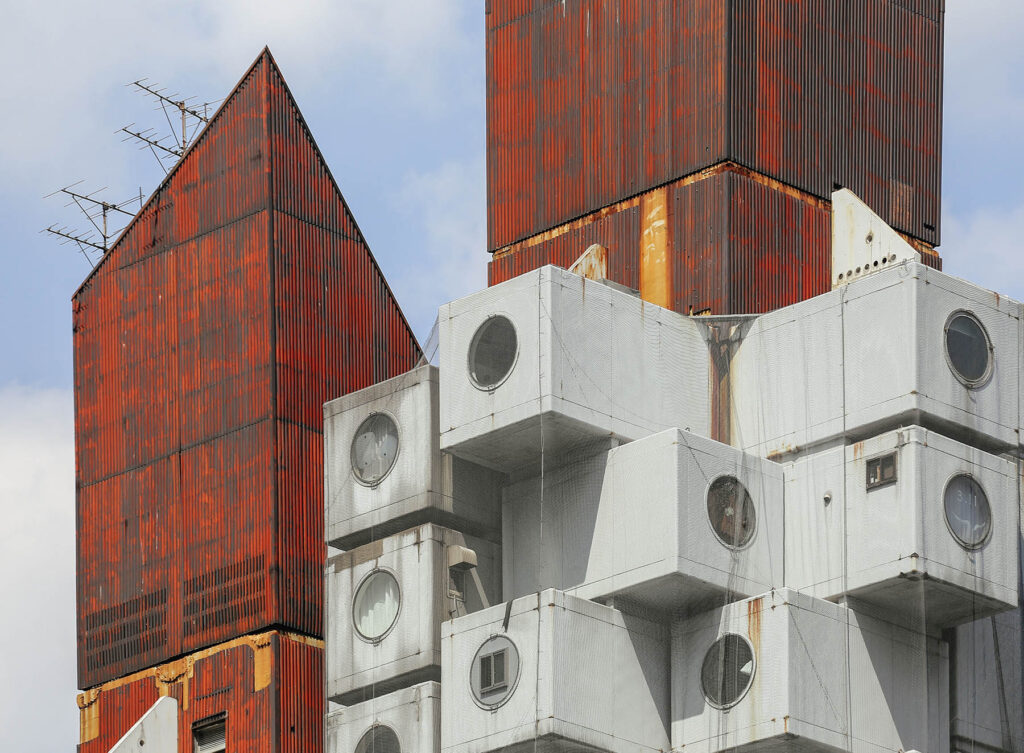
The Nakagin Capsule Tower faced significant maintenance challenges over the years. The prefabricated capsules were never fully replaced as originally intended, and many suffered from water leaks, corrosion, and outdated plumbing and electrical systems. When we visited the site in 2019 many of the capsules showed signs significant degradation and the tower looked in extremely poor condition. Anti bird netting was also draped over the facade keeping birds from nesting within the many ledges.
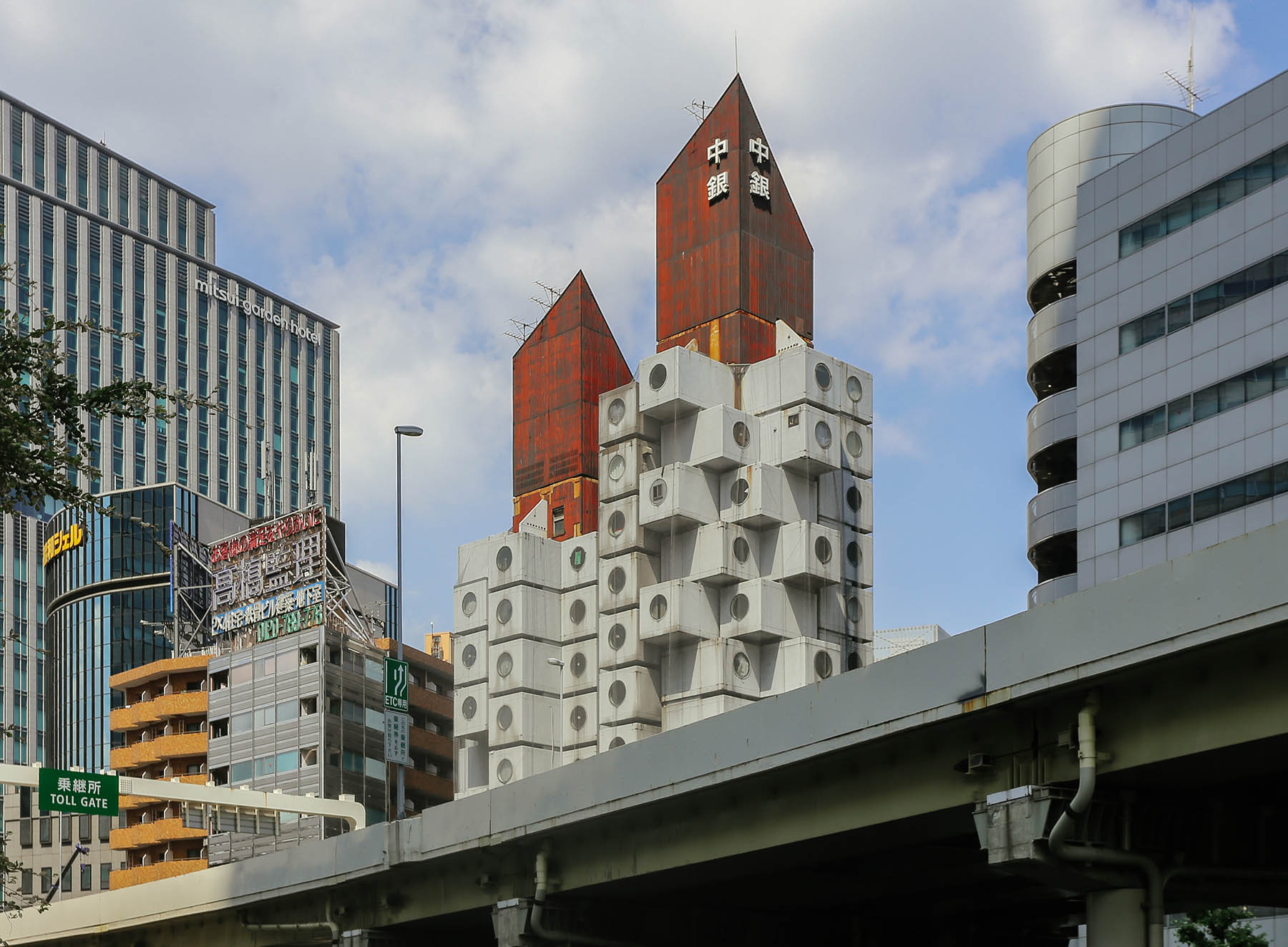
The small, modular design made repairs complex and costly, while aging concrete cores required constant structural monitoring. These combined issues ultimately contributed to the building’s demolition in 2022. Many of the individual capsules were removed and preserved by collectors, architecture enthusiasts, and museums. Some capsules were sold at auction or donated for exhibitions, while others were stored for research and study. A few have even been repurposed as micro-studios, offices, or experimental living spaces, allowing the legacy of Kisho Kurokawa’s modular design to continue in new contexts.
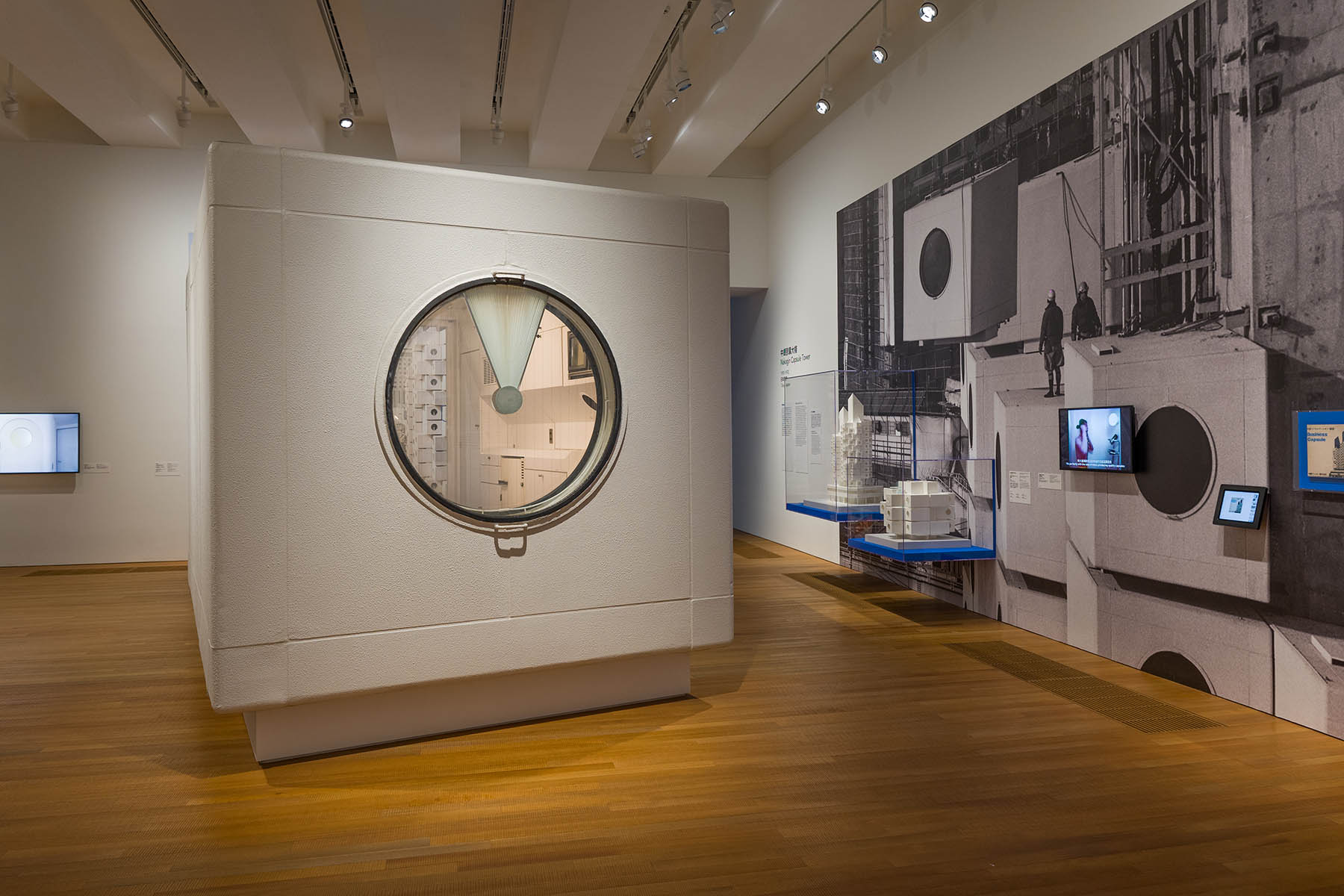
The M+ museum in Hong Kong was one of the institutions that accessioned a capsule, which is on display within their wonderful architecture gallery together with scale models, films and brochures.
Capsule House K – Nakagin’s Little Sibling in Nagano
A micro capsule tower known also designed by Kurokawa can be found in the forests of Nagano called Capsule House K.
The structure, reminiscent of a miniature Nakagin Capsule Tower, was designed by Kisho Kurokawa in 1973, just one year after the original tower’s completion. After years of neglect, it was purchased in 2019 by Kurokawa’s son, Mikio Kurokawa, and has since been transformed into a rental property. The building features a single base supporting four capsules, which include two bedrooms, a kitchen, and a traditional tea ceremony room.
Details on the project can be found at miraikurokawa.jp with bookings via Airbnb at around $1200 USD / night
Project Details
Completed: 1973
Demolished: 2022
Architect: Kisho Kurokawa
Architectural Style: Metabolism
Photographs : © Finbarr Fallon (2019)