
Arimaston Building: Keisuke Oka’s Hand‑Built Concrete Home Redefines Craft
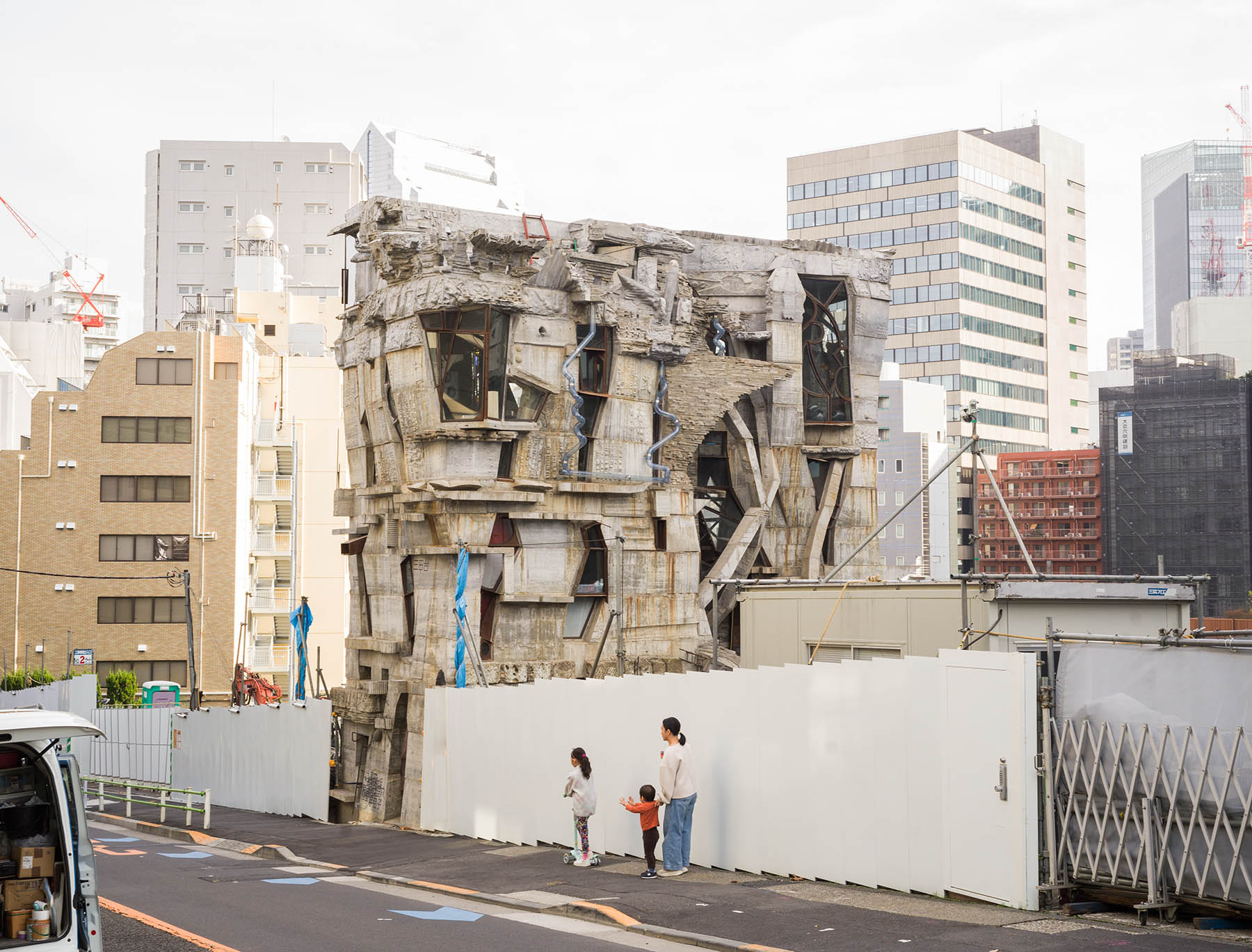
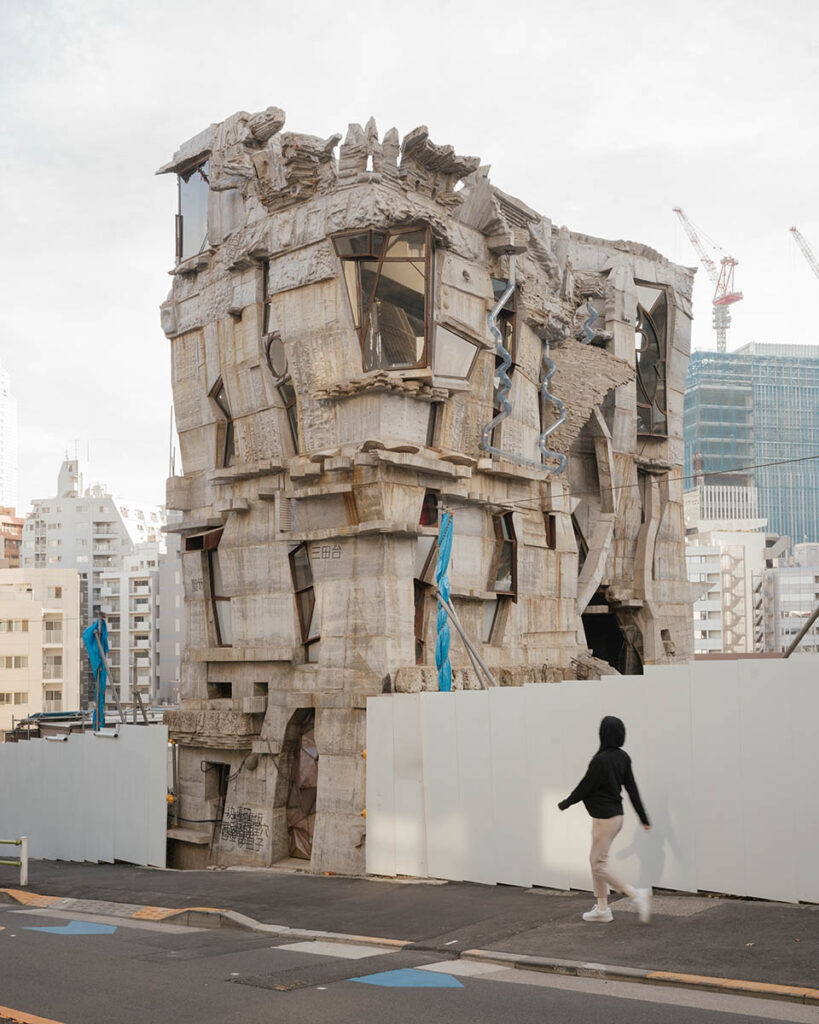
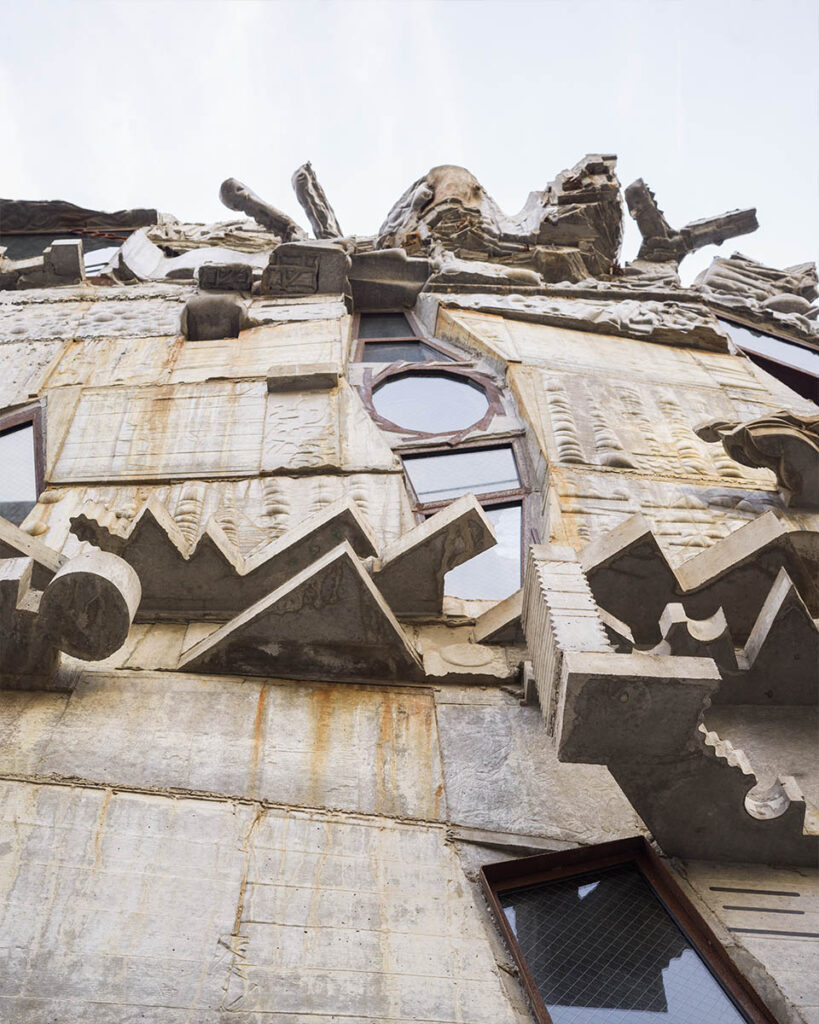
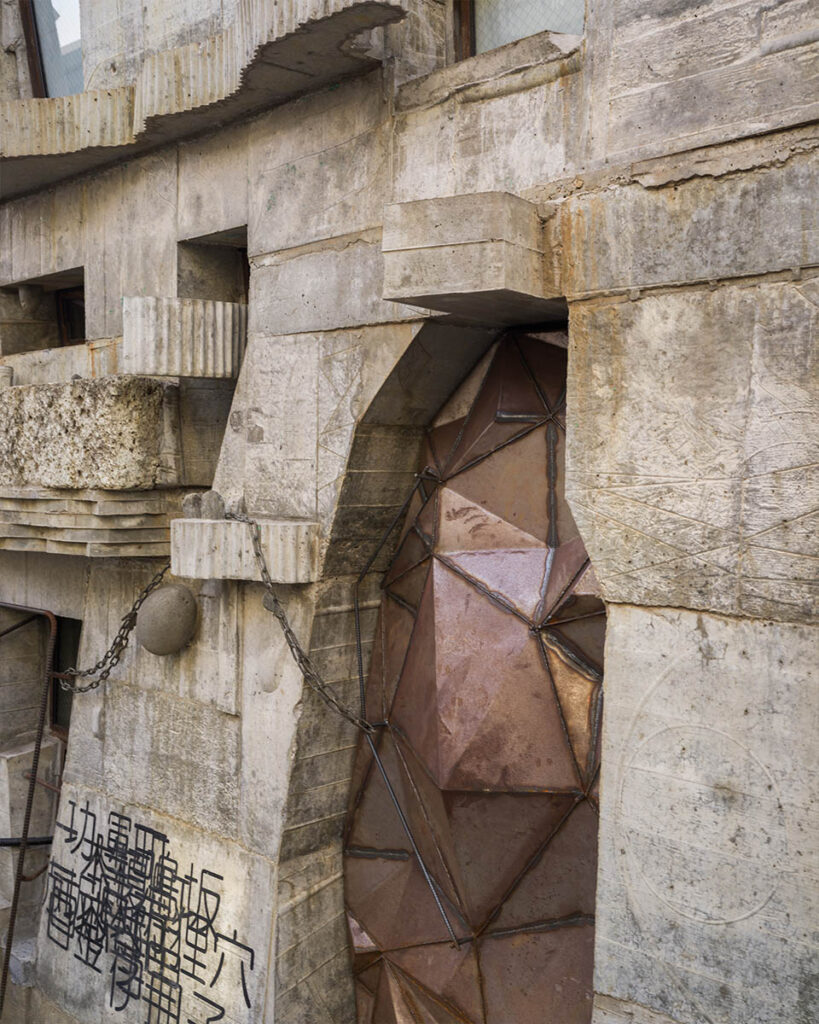
Over a decade ago, on a small plot in central Tokyo, architect Keisuke Oka began building a unique hand-crafted concrete home for himself. Entirely constructed by hand, the Arimasuton Building evokes the sculptural complexity of Gaudi but with a raw, brutalist twist. The building stands out in a district of otherwise generic towers and wandering salarymen. When we visited the site in 2024 the building stood alone – it’s iconic jagged concrete silhouette an unmissable sight on the horizon.
Construction on the Arimaston Building began in 2005, with Oka working almost entirely alone and without heavy machinery. Aside from occasional assistance from a few friends, every element of the tower was made by hand.
A House Born from Manual Craftsmanship
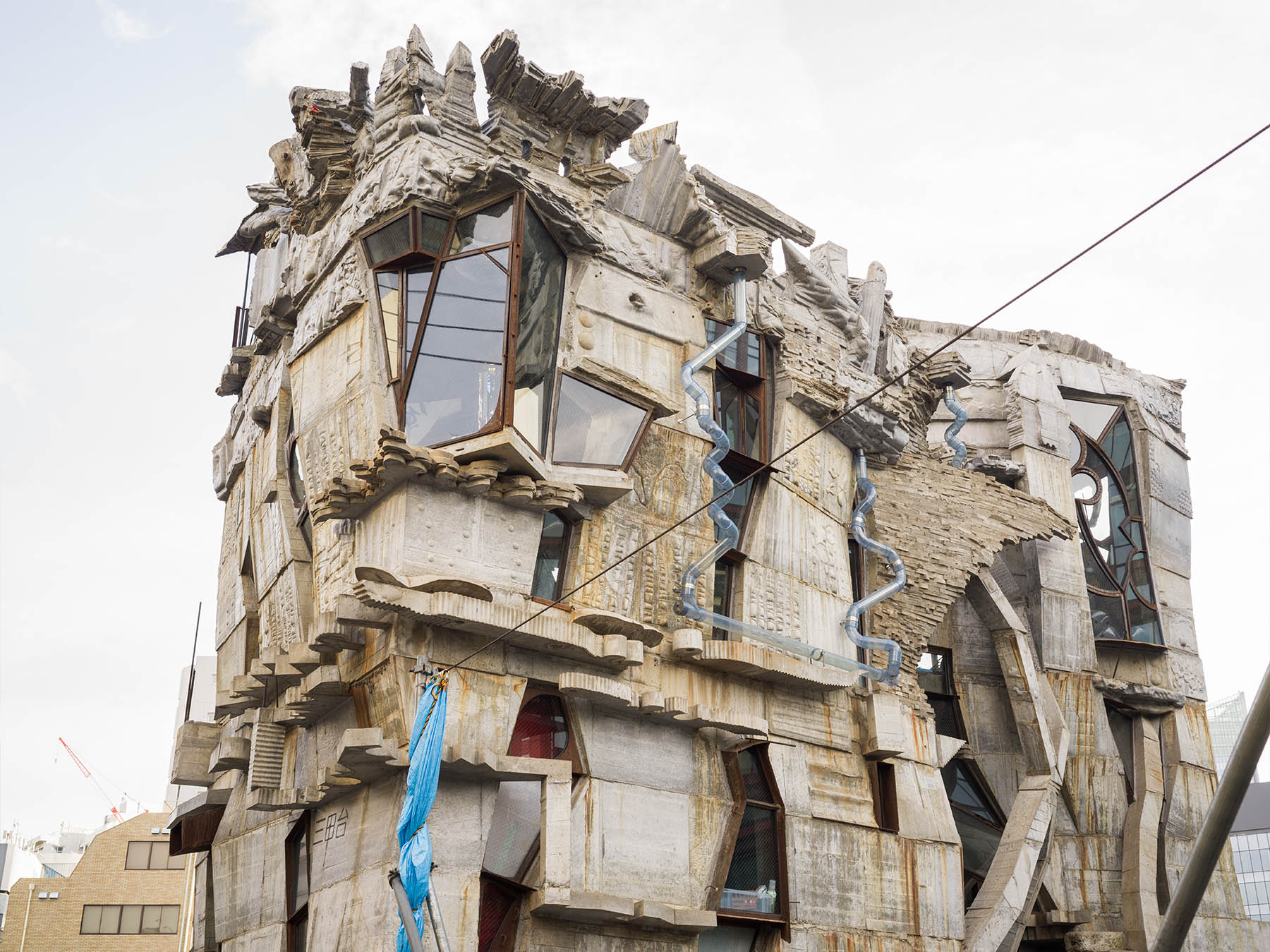
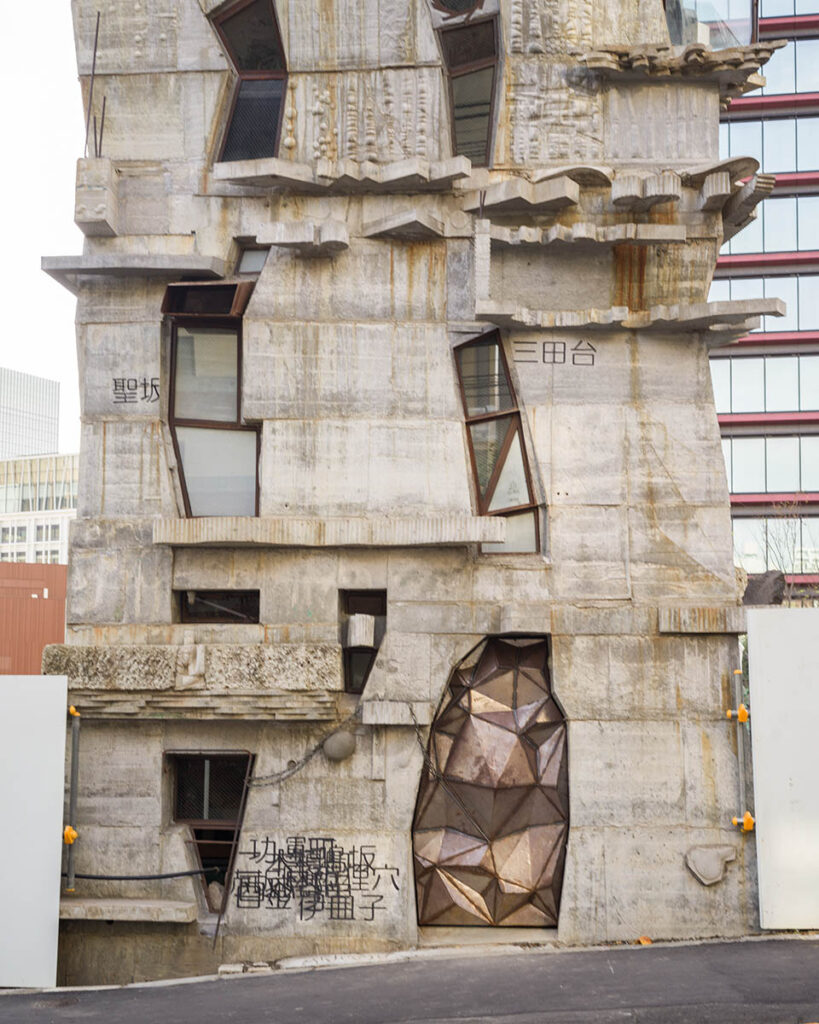
Each part of the facade is cast from concrete in small segments, no more than 70 cm wide, which is the maximum Oka could carry and assemble during its construction. The Arimaston is a building improvised, one slab at a time – ‘like dancing’, Oka claims. An architect with a varied past, he had been both a butoh dancer and a steeplejack before undertaking this project. His approach to design was intuitive and done without a fixed blueprint of construction drawings.
The name Arimaston itself is a made-up term combining sounds from Japanese words (like “ari” meaning ant, “masu” meaning trout, and “tonbi” meaning black kite)
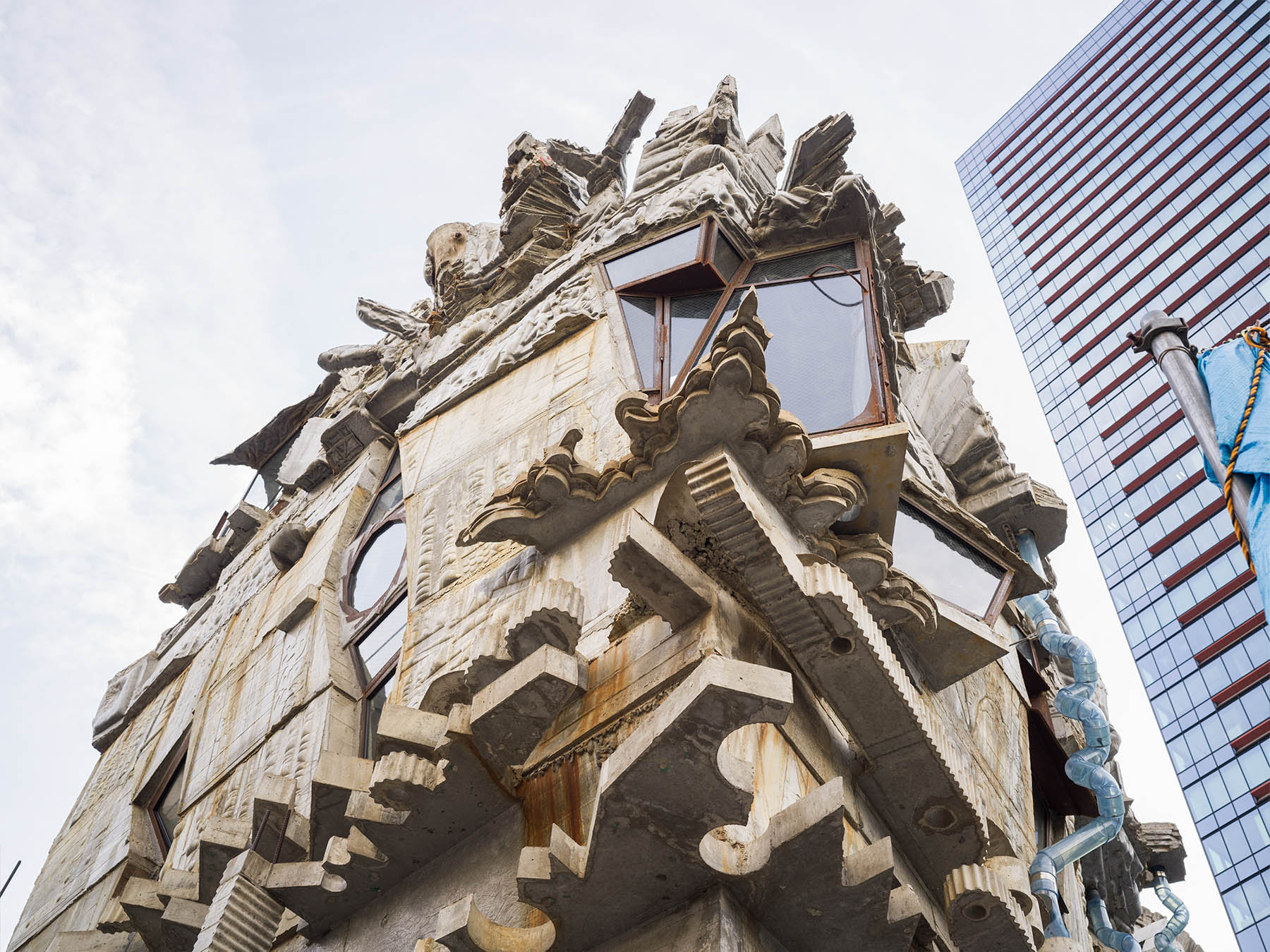
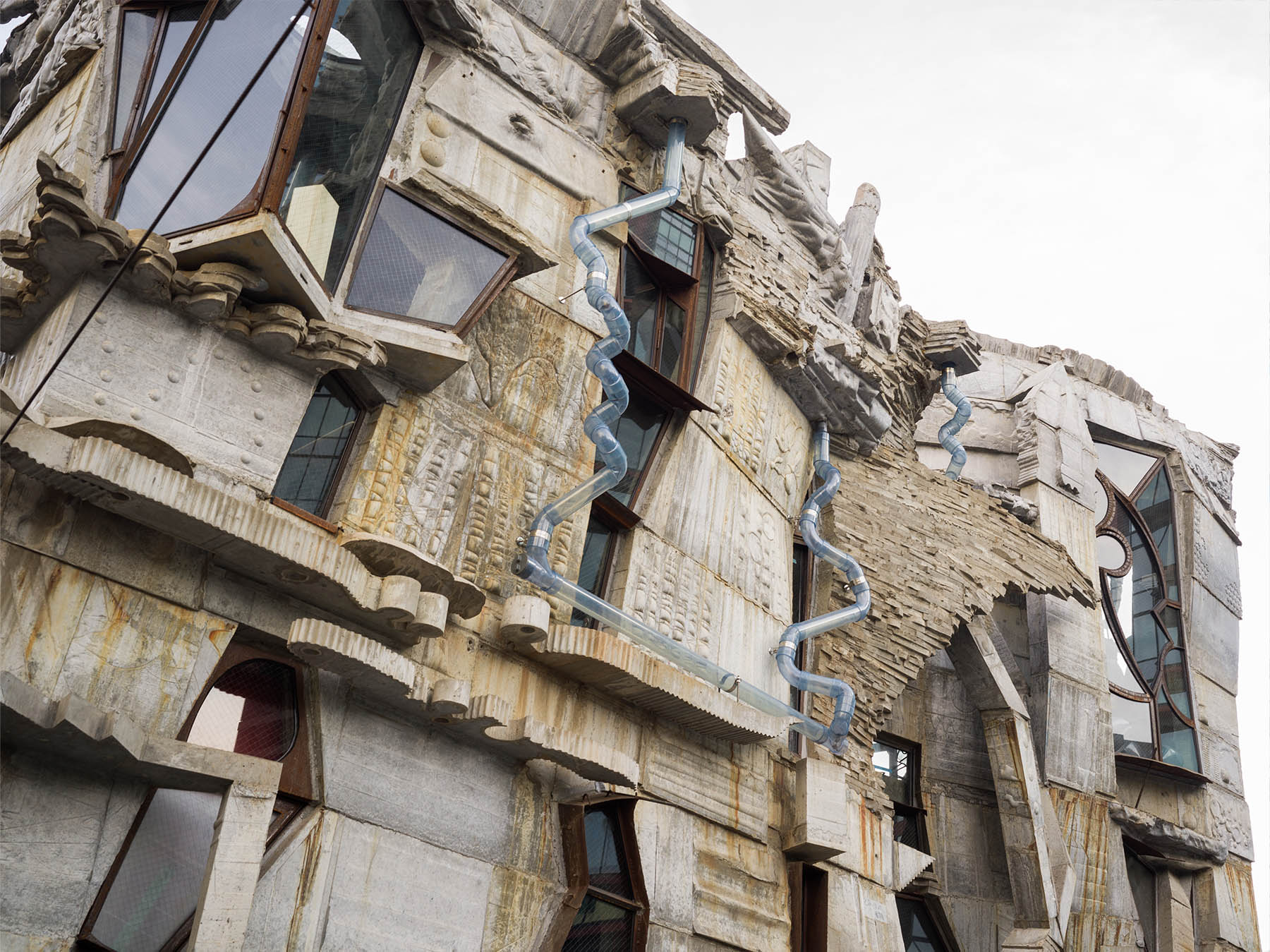
The building’s surfaces are rough and experimental reflecting Oka’s unusual casting methods, which include mixing the concrete with wood chips, punching round holes with planks, and using vinyl as a moulding formwork.
The hand poured concrete used in the Arimasuton Building is itself an expression of Oka’s philosophy. He mixes concrete with a lower water content and greater adhesiveness than typical construction mixtures to strengthen the material and texture. While more challenging to shape, this concrete is believed to be capable of lasting up to 200 years — a substantial increase over the average lifespan of modern Japanese concrete buildings.
Oka’s Journey
For Oka, the Arimaston Building represents more than a personal project — it is a critique of mass‑produced architecture and consumer culture. In his 60’s at time of writing, he reflects on the global overabundance of objects and calls for a return to slower, more intentional creation. “It used to be that there weren’t enough things in the world, but now there are too many…We need to stop mass‑producing things and find another way, otherwise we’ll be in trouble.”
Oka’s journey to this unusual structure was far from straightforward. Growing up in rural Japan, he developed an early ability in design and was considered a promising architecture student. After suffering a physical breakdown in his 30s, he stepped away from architecture for a period. It was at his wife’s encouragement that he purchased a small urban plot and embarked on building what would become the Arimaston Building. Oka plans to live in the upper levels while using the lower floors as studio and exhibition space, further blurring the boundaries between practice, craft, and habitation.
Shifting Sites
The surrounding neighborhood is undergoing significant redevelopment, and the apartments once adjacent to Oka’s project have been demolished. In 2025 accommodate changes in the area, the entire Arimaston Building was lifted and moved 10 metres backward on rails so that it now sits further back from the street edge.
Visiting Tips
The building is viewable from the street. The building has since been moved back from the street, and may be partly obstructed due to ongoing construction works around the site.
Location
Address:
4 Chome-15 Mita, Minato City, Tokyo 108-0073, Japan
Getting there & Access
The building is located in central Tokyo and is a short walk from Tamachi / Mita stations.
Project Details
Completed: In Progress
Architect: Keisuke Oka
Architectural Style: Brutalism
Photographs : © Finbarr Fallon (2024)